
Templates Guides
Painter Job Description + Free Template [2026]
 Painting
November 3rd, 2026
ServiceTitan


A painter job description template is a ready-to-use document that outlines a painter’s duties, responsibilities, required skills, and expectations. Painting companies use it to advertise open positions, attract qualified applicants, and give candidates a clear picture of the role before they apply.
But a strong job description should cover more than ‘paint walls and ceilings.’ A successful job posting should have the following key elements:
Job title and role summary
Duties and responsibilities
Required skills, qualifications, and experience
Tools, equipment, and materials used
Physical requirements and working conditions
Work schedule, reporting structure, and compensation details
Covering these areas will turn your job description from a hiring form into a practical guide for the right painter.
You can also fill out the form on the right to download our free, ready-to-use template and adapt it to your needs.
What Should a Painter Job Description Include?
A painter job description should help candidates clearly understand the position and determine if they're a good fit by including the following:
Job summary: Briefly introduce the role and its main expectations.
Key responsibilities: Outline the painter's primary duties and daily tasks.
Required qualifications: Specify the experience and knowledge candidates need.
Preferred certifications: List any relevant education, certifications, and additional experience.
Skills and competencies: Highlight the technical and interpersonal skills needed for the job.
Physical requirements: Describe the physical abilities demanded by painting work.
The #1 newsletter for the trades.
What Does a Painter Do?
Painters transform and protect commercial and residential spaces by applying paint, stains, primers, and other coatings to surfaces.
The job often starts with cleaning, sanding, scraping, patching, and priming surfaces. Setup usually involves ladders, scaffolding, drop cloths, and safety equipment to ensure the job goes smoothly. Painters may also recommend suitable paint types, finishes, and color options.
During the project, painters track details such as time spent on each task, materials used, surface conditions, and customer requests.
Keeping these details organized helps contractors monitor progress, control costs, and keep customers informed. This generally helps you know if your business plan is on track.
What Are the Primary Responsibilities of a Painter?
A painter’s responsibilities go beyond painting a wall. They must thoroughly prepare surfaces for painting, protect surrounding areas, use materials efficiently, and deliver a finish that meets the customer’s expectations.
Some common painter responsibilities are listed below:
Inspect and prepare surfaces: Check walls, ceilings, doors, and other surfaces for damage, then clean, sand, scrape, patch, and prime as needed.
Select and prepare materials: Choose suitable paints, primers, stains, and coatings based on the desired finish and project requirements.
Apply paint and coatings: Use brushes, rollers, sprayers, and other tools to achieve even coverage, clean edges, and consistent results.
Protect work areas: Cover furniture, floors, fixtures, and nearby surfaces to prevent spills, splashes, and accidental damage.
Maintain tools and equipment: Clean, store, and inspect painting tools and equipment before and after each job.
Follow safety procedures: Use ladders, scaffolding, ventilation, and personal protective equipment correctly.
Communicate with customers and supervisors: Provide progress updates and report issues that may affect the project.
These responsibilities help define the day-to-day role, which is important when hiring your first employee.
What Qualifications and Certifications Are Required to Become a Painter?
Being ‘qualified’ as a painter doesn’t always mean holding a specific degree or certification. In most cases, it means having the training, skills, practical painting experience, and safety knowledge needed to perform painting work to a professional standard.
Many painters learn on the job, picking up their skills from more experienced professionals. While requirements vary by state, employer, and type of painting work, common qualifications include:
On-the-job training: Many entry-level painters will learn by doing, starting off with things like surface prep and masking.
Apprenticeships: Some painters enter the trade through apprenticeships, which combine hands-on work with classroom learning.
Safety training: Painters need training in ladder safety, fall prevention, and PPE, and the safe handling of paints, solvents, and other materials.
Formal painting education isn’t typically necessary for entry-level positions, but some employers look for a high school diploma or equivalent as a baseline qualification.
The position might also include being of a minimum working age, holding a valid driver’s license for jobs that require traveling long distances, or passing an employer’s background check.
What Skills Are Essential for a Painter?
Painting combines knowledge, hands-on technique, attention to detail, communication skills, and the ability to safely deliver the services you offer in your painting contracts.
Here’s what that looks like.
Technical skills
Technical skills determine how well a painter can prepare surfaces and apply coatings.
Surface preparation: Preparing drywall, wood, masonry, metal, and stucco for coating.
Paint application: Using brushes, rollers, and airless, HVLP, or conventional sprayers.
Coating knowledge: Understanding latex, oil-based, epoxy, elastomeric, and urethane coatings.
Color matching: Mixing colors and using tools such as spectrophotometers when needed.
Safety and specifications: Reading blueprints, estimating materials, and following ladder, scaffold, OSHA, and lead-paint safety requirements.
Soft skills
Painters also need to be reliable, organized, and easy to work with:
Attention to detail: Maintaining consistent coverage and clean finishes.
Time management: Meeting production schedules and project deadlines.
Communication: Working effectively with customers, supervisors, and crews.
Problem-solving: Handling substrate issues, weather delays, and other surprises.
Reliability and stamina: Showing up on time and handling physically demanding work.
Advanced skills
More experienced painters may also specialize in specific areas such as:
Faux finishing: Creating decorative effects that mimic textures, materials, or patterns.
Venetian plaster: Applying polished plaster finishes for a marble-like appearance.
Cabinet refinishing: Restoring and repairing cabinets to improve their appearance and durability.
Waterproofing: Applying protective coatings to prevent moisture penetration and water damage.
Industrial coatings: Employing specialized coatings to protect surfaces from corrosion, chemicals, and wear.
Electrostatic spraying: Using electrically charged paint particles to achieve an even coating with minimal overspray.
Historic restoration: Preserving and restoring painted surfaces in historic buildings while maintaining their original appearance.
What Are the Physical Demands of Painters?
Painting is hands-on work, and the physical demands can accumulate over a full shift. While the exact demands may vary by project, surface, and work environment, most paint work orders involve:
Standing and repetitive movement: Painters may stand for extended periods while repeatedly moving their arms and hands when brushing, rolling, sanding, or spraying.
Climbing and working at heights: The job may require physical strength to climb ladders and scaffolds and maintain safe positioning while working above ground level.
Lifting and carrying: Painters may need to lift and move paint, equipment, ladders, and other supplies weighing approximately 50–75 pounds, depending on the job.
Exposure to jobsite conditions: Painters encounter fumes, solvents, dust, and other chemicals and may need appropriate protective equipment and ventilation.
Outdoor work: Exterior projects require working in varying temperatures, sun, wind, and other weather conditions.
Because these demands are part of the day-to-day job, they should be clearly stated in a painter job description so candidates understand the physical requirements before applying.
Best Practices for Interviewing Painter Candidates
Once applications arrive, look beyond years of experience. A strong screening process should show whether a candidate has the technical ability, safety awareness, and reliability to do the job.
If you want to be more appealing to candidates, use these SEO strategies for painters to boost your online presence.
What to look for in a painter’s resume
Look for a consistent work history, increasing responsibility, specific project types, relevant certifications, and references from previous employers or general contractors.
Pay attention to how a candidate’s experience has developed over time, the types of painting projects they’ve handled, and any certifications that show relevant training or specialized skills.
References help you verify their work quality, reliability, and ability to meet project expectations.
Questions to ask during a painter interview
Use practical questions that make candidates explain how they work. For instance:
“How would you prep a surface with peeling lead paint?”
Look for lead-safe procedures rather than simply sanding or scraping. EPA requirements apply to covered work that disturbs lead paint in pre-1978 housing and child-occupied facilities.
“What would you do if you discovered unexpected substrate damage?”
Search for candidates who can assess the damage and identify whether repairs are needed before painting.
“What PPE do you use when spraying solvent-based coatings?”
Their response should address appropriate respiratory, eye, and skin protection, ventilation, and safe handling procedures.
“How do you handle weather delays?”
Look for proactive scheduling and communication. A candidate might explain how they monitor weather conditions or notify their supervisor about schedule changes.
“What if a homeowner changes the color mid-project?”
A professional response confirms the requested change, explains any additional costs or delays, and gets approval before proceeding.
How ServiceTitan Helps Manage Painting Teams with the Hiring Workflow
Hiring the right painters is only half the job. Once they join a team, painting contractors need a reliable way to schedule crews, track labor, communicate with customers, and see how projects are performing.
While ServiceTitan is a field service management tool, it supports painting contractors in streamlining their entire operations:
Dispatching crews to jobs: This platform helps you assign painters based on availability and job requirements, while giving dispatchers visibility into schedules and field activity.


Tracking time in the field: ServiceTitan’s mobile app allows painters to clock in and out while in the field. They can also access job details in real time using a tablet or phone, helping contractors maintain accurate records of working time.


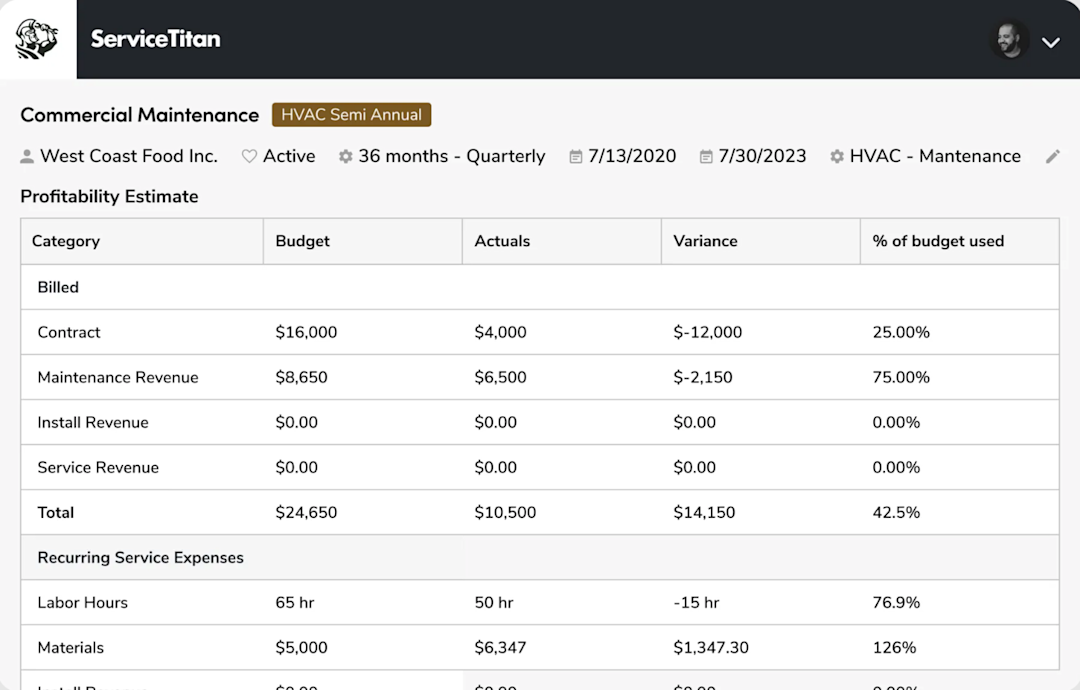
Monitoring job costs and labor: With ServiceTitan, you can track labor, materials, and other job costs to see how individual projects are performing and identify work orders that are drifting off budget.

Managing customer communication: This platform also automatically syncs to your CRM, providing updated customer information, appointment updates, and notifications on demand, while reducing communication gaps between the office, painters, and customers.


Monitoring painter performance: ServiceTitan also offers field reporting and real-time data to track employee performance, identify coaching opportunities, and keep field operations visible.


With ServiceTitan on your team, the result is a more connected workflow, from putting a new painter on the schedule to measuring their performance after the job is complete.
Book a demo now to optimize your entire operation.
ServiceTitan is a comprehensive, cloud-based software platform designed to help service businesses streamline operations, increase revenue, and build a stronger foundation for growth. Thousands of electrical, HVAC, plumbing, garage door, and chimney sweep businesses across the country have seen an average revenue increase of 25 percent during their first year using the platform.


Frequently Asked Questions (FAQs)
What is the average salary of a painter?
According to the U.S. Bureau of Labor Statistics, the median annual wage for construction and maintenance painters was $49,400 as of May 2025, or about $23.75 per hour.
Pay may vary by experience, location, specialty, industry, and employer.
What makes a good painter?
A skilled painter should be able to combine technical ability with reliability and attention to detail. They should be able to use tools safely, maintain clean work areas, and consistently deliver quality finishes.
Good communication and time management are also important when working with customers, supervisors, and other trades.
What are the key skills of a painter?
Key skills include surface preparation, paint and coating application, color matching, material estimation, blueprint reading, and safe operation of brushes, rollers, sprayers, ladders, and scaffolding. Painters also need to be competent in attention to detail, time management, communication, problem-solving, and physical stamina.
Do painters need a license to work?
Not necessarily. Licensing requirements vary by state, locality, and the type and value of painting work. Some jurisdictions require a painting contractor or business license, while others may have fewer requirements for individual employees.
What is the difference between a painter and a painting contractor?
A painter typically performs the hands-on work of preparing surfaces and applying paint or other coatings. On the other hand, a painting contractor typically operates or manages the business that provides painting services to customers.
