

Templates Guides
Construction Warranty Template: Free PDF Download for Builders


A construction warranty is a builder’s promise that the work performed meets industry standards and will stand the test of time.
Our free construction warranty template is a ready-to-use document (you can download it by filling out the form on your right) that outlines the coverage and responsibilities for both builders and clients and can be used to streamline your warranty process across every project.
The key components of a construction warranty are listed below:
Warranty duration and coverage
Exclusions and limitations
Responsibilities of the builder and homeowner
Claim procedures and timelines
Repair and replacement terms
Let’s break down the details.
Why Do You Need a Construction Warranty Template?
A construction warranty proposal brings consistency, clarity, and safety to every job you finish, ensuring you provide customers with clear expectations right from the start.
Plus, instead of creating a warranty from scratch every time, a template checks all the steps to protect your business from disputes.
Here are the key benefits of using a construction warranty template:
Risk management: Outlines exactly what is and isn’t covered by your team, reducing misunderstandings that can lead to costly claims.
Legal protection: Protects your company from liability by documenting the scope of your responsibility.
Client assurance: When homeowners know their investment is backed by a professional warranty, they feel more confident in their purchase.
Operational efficiency: Saves you time and keeps documentation consistent on every job.
The #1 newsletter for the trades.
What Is the Difference Between Contractor and Subcontractor Warranties?
Contractor and subcontractor warranties might sound the same but they cover different scopes of responsibility in a construction project.
A contractor warranty is typically broader, ensuring the overall quality of the completed project and making sure all work meets the agreed-upon standards.
A subcontractor warranty, meanwhile, applies only to the specific trade or portion of work performed by the subcontractor.
To make it clearer, take a look at this graph:
Next up, let’s discuss what should be included in a construction warranty.
What Should Be Included in a Construction Warranty?
The idea is for the warranty to clearly outline what the builder is responsible for, how long the coverage will last, and how the company plans to handle issues after project completion.
Here are the key elements to include:
Project details: Include key details like address, description of work, and completion date.
Warranty period: Add the start and end dates of the warranty, which often vary for workmanship, materials, and structural components.
Scope of coverage: Offer a clear explanation of what is covered, such as defects in materials, labor time, or specific installations.
Exclusions: Add the items not covered under the warranty, including wear and tear, misuse, or environmental damage.
Contractor information: This refers to the company name, license number, contact details, and authorized representative.
Claim process: Include steps for reporting issues, response timelines, and how repairs will be handled.
Signatures: Both involved parties must sign the document to confirm agreement to the terms.
Including all of the above protects your business from claims, aligns client expectations with your obligations, and reduces disputes down the line.
How Do You Write a Construction Warranty?
Below, we’ve outlined some practical steps you can take to create a tight warranty you can always rely on.
1. Define scope and project details
It all starts with a clear purpose.
In your introduction, list the project name, address, owner, description of the project, and completion date. Then, follow up by clearly stating what parts of the project the warranty covers, such as materials, workmanship, or other structural elements.
This will prevent later disputes as both parties are aware of what is and isn’t covered from the beginning.
2. Specify warranty period and coverage
A warranty template must specify the period in which contractors have to remedy or replace defective workmanship or materials, typically at no additional cost.
Specify a fixed timeframe, such as 12 months, 24 months, or longer. Depends on the project.
Next, specify the extent of the warranty’s coverage (e.g., structural integrity or installed materials) as well as what’s excluded, such as normal wear and tear, misuse, or third-party defects or modifications.
3. List exclusions and homeowner responsibilities
Clearly state exclusions, including natural incidents, improper maintenance, and normal wear and tear. It’s the homeowner’s responsibility to take care of the construction after you’ve completed the job according to standards.
So, make sure to include homeowner duties in your warranty, such as timely reporting or proper maintenance.
A tip: Requiring proof of maintenance or third-party misuse helps protect you from avoidable claims.
4. Describe claims process and remedies
Provide step-by-step claim procedures, such as:
How to notify (by email or phone)
Documentation needed
Inspection timeline
Expected repair window
Also include dispute resolution steps.
5. Signatures, legal review, and recordkeeping
End the proposal with contractor and owner signatures, printed names, dates, and license or insurance numbers. If necessary, ask a lawyer to review unusual project requirements, and always keep a digital copy on file.
Be sure to note any state or local code references to ensure compliance with regulatory standards.
What Is a Workmanship Warranty in Construction?
A workmanship warranty is a contractor’s guarantee that all labor performed meets professional standards and is free from defects caused by poor installation, improper techniques, or substandard craftsmanship.
In general, it covers issues like uneven finishes, faulty installations, or errors in construction methods.
Unlike a material warranty, which is provided by the manufacturer in case there are defects in products, a workmanship warranty focuses solely on the quality of the contractor’s labor.
But paired together, they give homeowners more complete protection after project completion.
What Are Common Exclusions in Construction Warranties?
While construction warranties are designed to cover defects resulting from poor workmanship, you shouldn’t be held responsible for circumstances outside your control. That’s why a warranty’s exclusions must cover everything that’s not your fault, so as to avoid unreasonable claims.
This can include:
Normal wear and tear: Yes, things wear down normally, without it being your fault. Everyday aging, fading, settling, or deterioration isn’t generally covered because these changes occur naturally over time.
Misuse or neglect: Damage caused by improper maintenance, misuse of the structure, or unauthorized repairs falls outside the contractor’s responsibility.
Environmental or weather-related damage: Other things beyond a contractor’s control are severe storms, floods, earthquakes, and other acts of nature, so these should be excluded from the warranty.
Owner-made alterations: Modifications performed by the owner or a third party can void warranty protections because they compromise the original work.
These are not unreasonable exclusions, and they set realistic boundaries between your company and homeowners to ensure warranties remain fair for everyone involved.
How Long Does a Typical Construction Warranty Last?
Most construction warranties follow the same industry standards, which means coverage typically lasts:
One year for general workmanship
Two years for mechanical systems
Up to 10 years for major structural components
But these durations might vary based on state regulations, contract terms, or the complexity of the project.
The period usually begins on the project’s completion or final inspection date, depending on the contract. Once that period is over, the contractor is no longer obligated to repair issues unless otherwise specified.
This ensures both parties understand the limits of post-construction protection and set clear expectations.
How ServiceTitan Streamlines Construction Warranty Management
When documents are involved, things can get complicated really fast, as it’s hard to keep track of all the paperwork.
In comes ServiceTitan, centralizing everything and making warranty handling faster, clearer, and more reliable for both office staff and field teams.
1. Warranty documents, organized
ServiceTitan keeps every warranty document stored in one place, accessible to both office and field crews.


You can also save warranty templates, signed agreements, and before-and-after photos right inside the customer or job record.
This prevents you from losing important documents and ensures teams don’t waste time digging through old files or email chains.
As a result, with everything organized and instantly searchable, responding to warranty claims is quicker, more accurate, and easier for everyone involved.
2. Standardized closeout proof
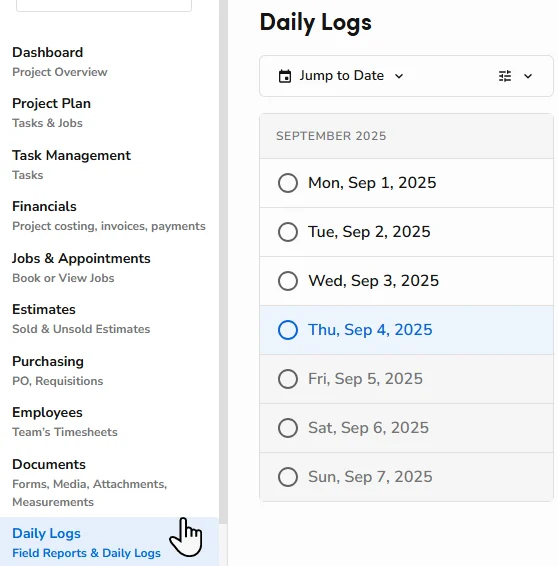
ServiceTitan’s daily logs and other required forms ensure every project is closed out with consistent and verifiable documentation that protects both your business and your customers.
Techs can record installation notes, inspection results, and task completion details in real time, even while in the field.

How does this help?
Because it creates a reliable audit trail that shows exactly what was done, when it was done, and who completed it. So, if a warranty claim comes in, the office can quickly reference the documentation to verify compliance specs or clarify whether an issue is covered.
ServiceTitan dramatically reduces ambiguity, strengthens accountability, and helps prevent disputes.
3. Tasks and reminders, automated
ServiceTitan streamlines warranty-related workflows by letting office staff and field teams assign, track, and automate tasks across every job.


No matter the task, whether it’s receiving client instructions or scheduling follow-up inspections, ServiceTitan can help you easily assign the job to the right team member with due dates and priority levels.
In addition, automated reminders ensure nothing falls through the cracks, even when you run multiple jobs simultaneously.
Technicians receive notifications on mobile devices, while office staff can monitor task completion in real time. As a result, you improve response times, ensure consistent follow-through, and keep warranty processes organized.
4. Portfolio-wide warranty visibility
If you need a bird’s-eye view of all warranties, ServiceTitan’s got you covered.
Using its Project Portfolio feature and Construction Reports and Dashboards capabilities, teams can quickly access project-specific warranty details, such as completed work, associated documents, and claim history.


This centralized visibility allows contractors to identify patterns such as repeat issues or common warranty triggers. It helps you pinpoint areas for quality improvement.
In a nutshell, ServiceTitan simplifies administration and provides actionable insights that reduce future claims, improve workmanship, and strengthen client trust across every project.
Over to You
Effectively managing warranties doesn’t have to be a headache.
By keeping your documents organized, standardizing closeout proof, and automating tasks, contractors can protect their business, improve response times, and deliver a better experience to customers.
ServiceTitan offers a platform for centralizing documents, automating workflows, and tracking every project. It empowers both office and field crews to work smarter, reduce errors, and provide top-notch services.


